Trainual Review for Real Estate Teams: Is It Worth It?
Key Takeaways
An in-depth Trainual review for real estate brokerages covering pricing, onboarding workflows, SOP documentation, compliance training, and whether Trainual is worth the investment for your team.
16 min read by ListingFlare Team
A stat that should keep every broker and team leader up at night: 87% of newly licensed real estate agents leave the industry within five years. Even more alarming, roughly 75% do not survive their first year. That is not a talent problem. It is a training problem - and platforms like Trainual are built to fix it.
Most brokerages hand a new agent a login to the MLS, point them toward a desk, and say "go get 'em." No structured onboarding. No documented processes. No clear path from day one to first closing. The agents who survive figure it out on their own. Everyone else burns through their savings, gets discouraged, and quietly lets their license lapse.
The brokerages that retain agents and build real teams have one thing in common: they treat training as a system, not an afterthought. They document their processes, standardize their onboarding, and give every new hire a clear roadmap. And increasingly, they are using software to make that happen at scale.
Trainual is one of the most popular platforms for building that system. It has gained real traction with real estate teams who are tired of reinventing the wheel every time a new agent joins. But is it worth the investment? Does it solve the right problems?
We spent several weeks evaluating Trainual through the lens of real estate brokerages. Here is our Trainual review for 2026 - covering features, pricing, real-world use cases, and whether it deserves a spot in your tech stack.
What Is Trainual?
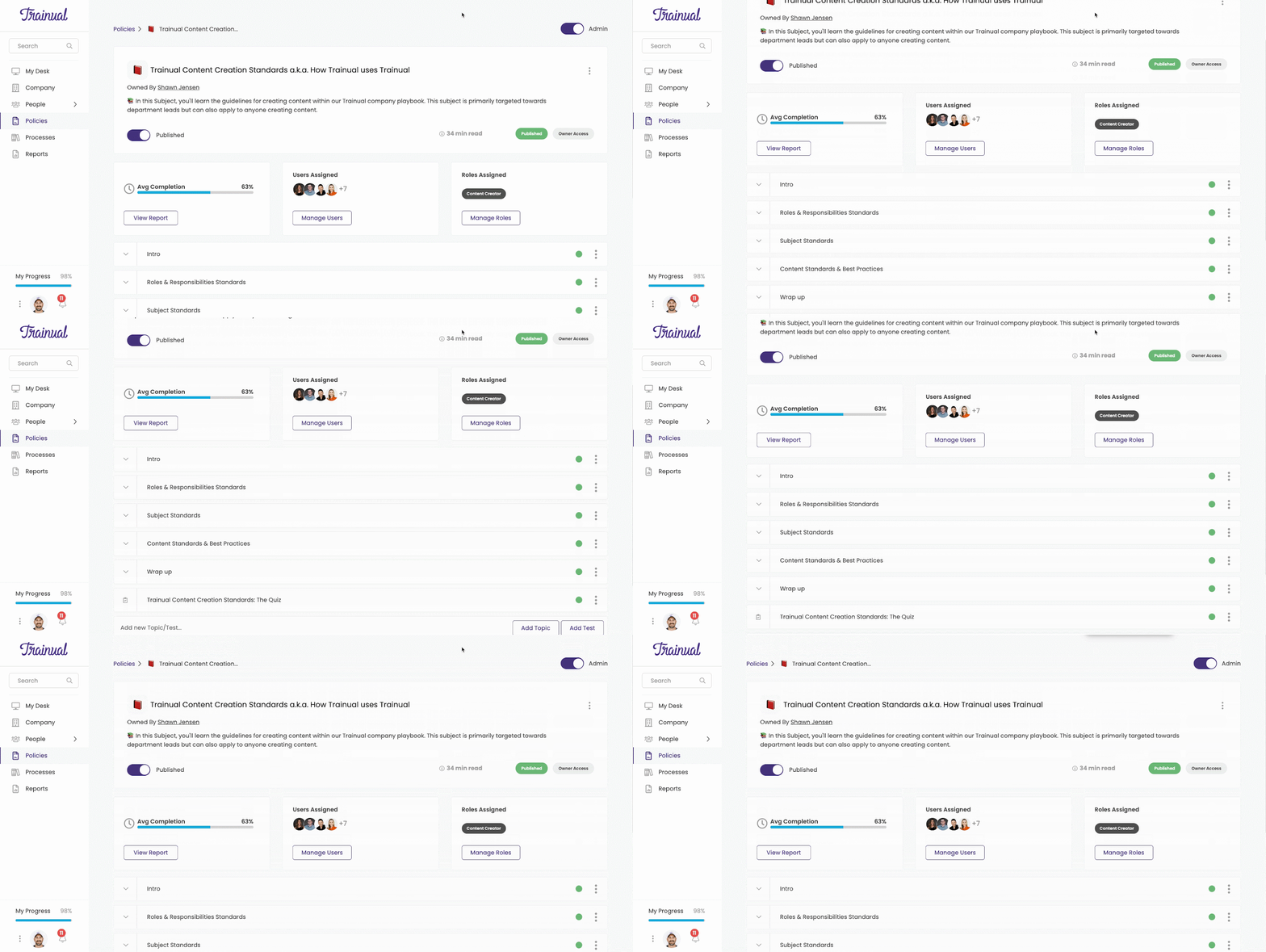
Trainual is a cloud-based training and knowledge management platform designed to help businesses document their processes, onboard new team members, and create a searchable knowledge base that everyone can access. Think of it as the operating manual for your brokerage - except it is digital, interactive, and tracks whether people actually read and complete the material.
Founded in 2018, Trainual has grown rapidly and now serves thousands of small and mid-sized businesses. The platform is built around a few core capabilities that are particularly relevant for real estate teams:
- SOP Documentation - Create step-by-step standard operating procedures for every recurring task in your brokerage. From how to input a new listing into the MLS to how to prepare a CMA to how to coordinate a closing, every process gets documented in one place. You can include text, images, videos, screen recordings, and embedded files.
- Automated Onboarding - When a new agent or staff member joins, Trainual automatically assigns them the relevant training content based on their role. No more scrambling to put together an onboarding packet. No more hoping someone remembers to walk the new hire through the compliance requirements.
- Role-Based Training Paths - Different roles get different content. A buyer's agent sees training specific to working with buyers. A listing agent sees listing-focused SOPs. A transaction coordinator sees their own workflow. Everyone gets exactly what they need without wading through irrelevant material.
- Searchable Knowledge Base - Every piece of content you create becomes part of a searchable library. When an agent forgets how to submit a commission disbursement request or needs to look up the brokerage's social media policy, they search for it instead of calling the office manager.
- Completion Tracking - The software tracks who has completed which training modules and who has not. As a broker, you get a dashboard showing exactly where every team member stands. This is especially valuable for compliance training where you need documentation that every agent reviewed the fair housing guidelines or the brokerage's advertising policy.
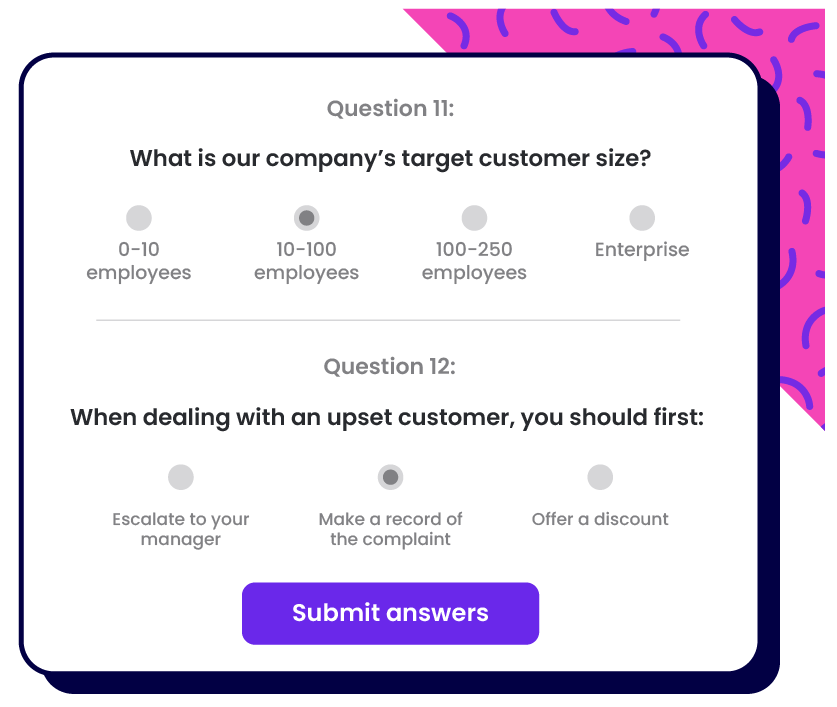
- Tests and Quizzes - You can embed quizzes at the end of any training module to verify comprehension. This is not just busywork - it forces active engagement with the material and gives you a record that the agent understood the content.
The interface is clean and modern. Creating content in it feels similar to building pages in Notion or Google Docs - you add text blocks, drag in media, and organize everything into subjects and topics. There is no steep learning curve, which matters when the person building content is a busy broker, not a professional instructional designer.
Trainual Pricing in 2026
Pricing is one of the first questions every brokerage asks, so here are the specifics. Trainual uses a seat-based pricing model with two main plans. Here is the breakdown as of early 2026:
| Plan | Key Features | Best For |
|---|---|---|
| Core | Unlimited AI-assisted docs, Flowcharts, AI-powered search, 500+ templates, Screen recording, Commenting, Language translation, Roles builder, Testing/tracking/reporting, Employee directory, HRIS/Slack integrations, Mobile app, Gamification | Small teams starting out |
| Pro (Most Popular) | Everything in Core + Individual training paths, Time estimates, Content feedback, Video transcriptions, 15GB video storage, E-signatures (300/yr), Org chart, Delegation Planner, 90-day version history, Customer Success Manager | Growing brokerages |
| Premium | Everything in Pro + Unlimited video storage, Unlimited version history, Unlimited e-signatures, Custom branding, Custom domain, SSO, Training path templates | Large brokerages needing customization |
| Enterprise | Everything in Premium + API access, SOC2 docs, Extended implementation, Dedicated CSM, Quarterly reviews, Priority support | Enterprise organizations |
Trainual does not publicly list prices on their website. Contact their sales team for a demo and custom pricing based on your team size.
A few things to note about the pricing:
- Annual billing saves money. If you commit to an annual plan, you can expect roughly a 20% discount. Contact Trainual for current pricing based on your team size.
- Seats include everyone. Every person who needs access counts as a seat - agents, admins, TCs, and the broker. A team of 8 agents plus a broker, an office manager, and a TC is 11 seats. Contact Trainual to determine which plan fits your team size.
- There is a free trial. The platform offers a 7-day free trial so you can build out a few SOPs and test the interface before committing. We recommend using that trial to document your onboarding process and have a current team member go through it as a test.
Is the price justified? If you are a solo agent or a team of two, Trainual is overkill. But if you run a brokerage with 5 or more agents and regularly bring on new hires, the math works in your favor. Losing a single agent due to poor onboarding costs you recruiting time, lost deals, and replacement costs. One retained agent easily covers a full year of Trainual.
Get a Trainual Demo →How Real Estate Brokerages Use Trainual
What actually matters is how real estate teams use the platform day to day. Here are the most common and impactful use cases:
Rapid Onboarding with a 30-Day Plan
The single biggest use case is structured onboarding. Instead of a chaotic first week where the new agent shadows random meetings and gets a firehose of information, The platform lets you build a defined 30-day onboarding path. The new agent logs in on day one and sees exactly what they need to learn, in what order, and by when. Each module builds on the previous one, taking them from "here is how we do things" to "here is how you start building your pipeline."
This is especially powerful for brokerages that hire in batches. Instead of the broker personally walking each group through the same material, the training is pre-built and self-paced. The broker's time shifts from lecturing to coaching.
SOP Documentation for Core Processes
Every brokerage has processes that agents need to follow consistently. The problem is that those processes usually live in the broker's head or in scattered Google Docs. Trainual gives them a permanent, accessible home. Common SOPs include:
- Listing launch checklist - From signed listing agreement to MLS entry to photography scheduling to marketing launch. Every step, in order, with deadlines and responsible parties.
- Closing process - What happens between accepted offer and closing day. Title company coordination, inspection timelines, appraisal procedures, and final walkthrough protocols.
- Open house procedures - How to prepare, what materials to bring, how to capture visitor information, and how to follow up within 24 hours.
- Lead response protocols - How quickly to respond to new inquiries, what scripts to use, and how to log the interaction in the CRM.
- Commission processing - How to submit a closing for commission disbursement, what documents are required, and the expected timeline for payment.
Compliance Training
Fair housing laws, advertising regulations, agency disclosure requirements, and state-specific rules all require ongoing training. With Trainual, you create compliance modules that every agent must complete and pass a quiz on. The completion tracking gives you documented proof that your team was trained - which matters if a complaint or audit ever arises.
Role-Specific Training Paths
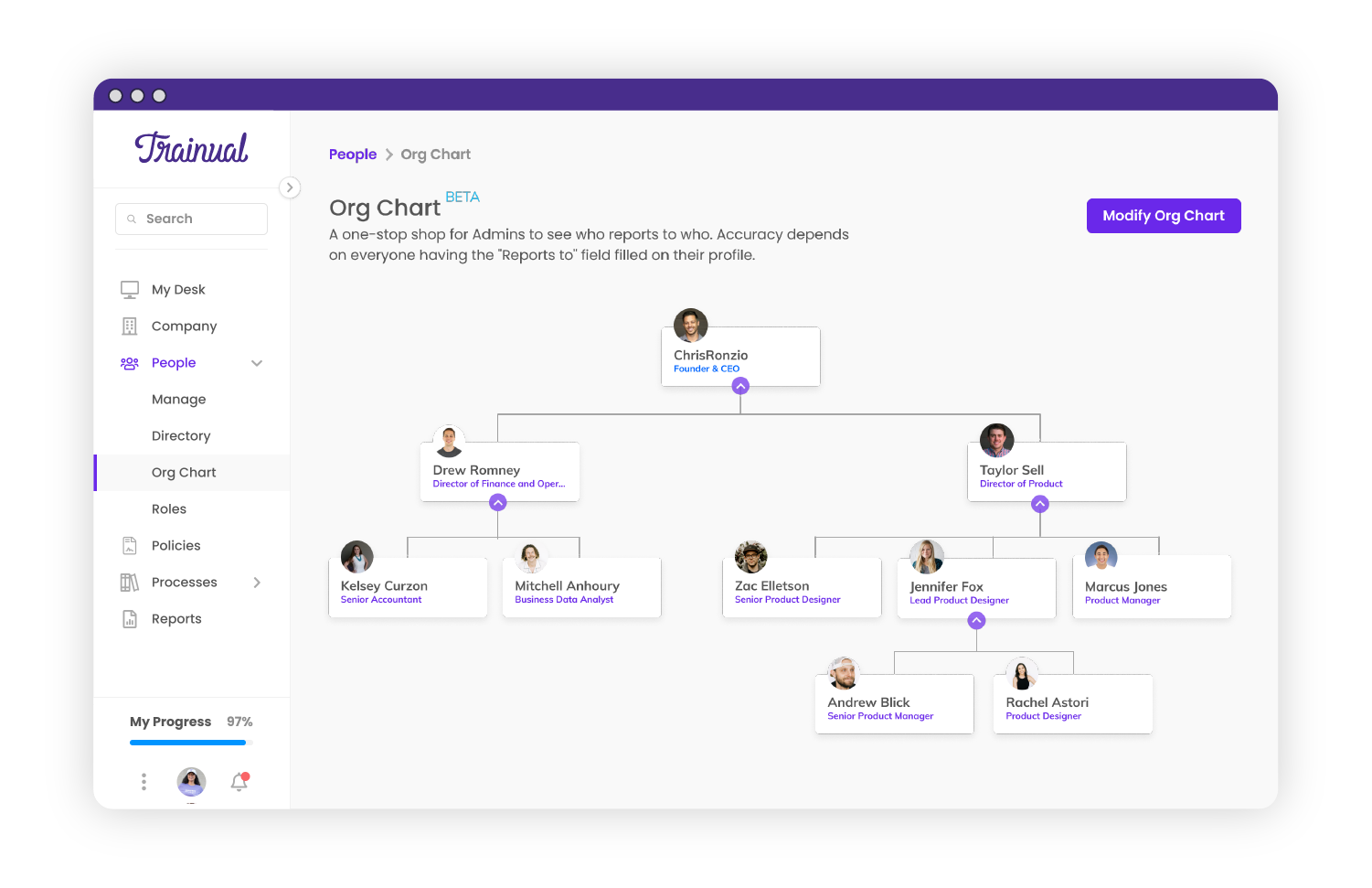
Not every agent does the same job. A buyer's agent needs different training than a listing specialist. A transaction coordinator needs to understand document workflows, not prospecting techniques. Trainual lets you assign content by role, so each person gets a tailored experience:
- Buyer's agents - Buyer consultation process, showing protocols, offer preparation, negotiation frameworks, and buyer lead nurturing.
- Listing agents - CMA preparation, listing presentation structure, seller communication cadence, pricing strategy, and marketing execution.
- Transaction coordinators - Contract-to-close workflows, document management, deadline tracking, vendor coordination, and communication templates.
- Administrative staff - Phone protocols, CRM management, marketing material preparation, and office procedures.
Building Agent Self-Sufficiency
One of the underrated benefits is that Trainual reduces how often agents ask the broker or office manager basic questions. When every process is documented and searchable, agents find answers on their own. "How do I submit a referral?" Search it. "What is our policy on dual agency?" Search it. This frees up leadership to focus on strategy, recruiting, and coaching instead of answering the same questions repeatedly.

What the First 30 Days Should Look Like
If you invest in Trainual, you need great content to put in it. The most critical piece is your 30-day onboarding plan. Here is a week-by-week framework that successful brokerages use.
Week 1 - Orientation and Foundation
The goal of week one is to get the new agent set up and aligned with the brokerage's culture, systems, and expectations. Nothing about production yet - just foundation.
- Welcome message from the broker (recorded video works great in Trainual)
- Brokerage history, mission, and values
- Team structure and who does what
- Technology setup - MLS access, CRM login, email, transaction management software, and marketing tools like ListingFlare
- Office logistics - keys, parking, supplies, shared resources
- Compliance training - fair housing review, agency disclosure, advertising rules, and data privacy policies
- Brokerage policies - commission splits, fees, desk fees, E&O insurance, and the independent contractor agreement
Week 2 - Shadowing and Observation
Week two shifts from reading and watching to observing real work in action. The agent is not producing yet, but they are seeing how things actually work in the field.
- Shadow a listing appointment with an experienced agent
- Observe a buyer consultation
- Sit in on a closing
- Attend a team meeting
- Review 3 to 5 active transaction files to understand the paperwork flow
- Complete CRM training - how to add contacts, log activities, set follow-up tasks, and run reports
- Study the brokerage's lead response scripts and role-play with a mentor
Week 3 - Guided Practice
In week three, the new agent starts doing real work with supervision and support. They are not flying solo yet, but they are getting hands-on experience.
- Prepare a practice CMA for a real property (reviewed by the broker)
- Write a listing description (reviewed before publishing)
- Create a single-property website using ListingFlare for a current team listing
- Draft and send a practice email drip sequence in the CRM
- Handle incoming lead inquiries under supervision
- Attend an open house as a co-host with an experienced agent
- Complete prospecting training - circle prospecting, sphere of influence outreach, and social media basics
Week 4 - Pipeline Building
By week four, the agent should be ready to start building their own business with continued coaching support. The training wheels are coming off, but the broker is still checking in regularly.
- Set 90-day production goals with the broker
- Build a contact list of at least 100 people in their sphere of influence
- Launch their first prospecting campaign - whether that is door knocking, calling their sphere, or running social media content
- Hold their first solo open house (with a debrief afterward)
- Create their personal marketing plan using the brokerage's templates
- Schedule weekly check-ins with the broker or mentor for the next 60 days
- Complete all remaining onboarding modules and pass the final knowledge assessment
This framework is not revolutionary. What makes it powerful is that it is documented, repeatable, and trackable. Every new agent gets the same quality experience regardless of when they join or how busy the broker is. That consistency is what Trainual enables.

5 Training Mistakes Brokerages Make (and How to Avoid Them)
Having a platform like Trainual is only half the equation. The content you put in it matters just as much. Five training mistakes we see brokerages make repeatedly - and most of them have nothing to do with software.
1. Confusing Licensing with Training
Passing the real estate exam proves that an agent can memorize enough material to answer multiple-choice questions about real estate law, contracts, and ethics. It does not prove they can price a home, negotiate an inspection response, or have a difficult conversation with a seller about an overpriced listing. Pre-license education teaches concepts. Your brokerage training needs to teach execution.
The fix: Build your training around practical skills, not theoretical knowledge. Your agents already passed the test. Now teach them how to actually do the job. Use real scenarios from your market, real contracts from recent transactions, and real objections from actual client conversations.
2. Relying on Top Producers for Mentoring
It seems logical to pair a new agent with your top producer. The problem is that top producers are busy producing. They do not have time to mentor consistently, and their approach to the business often relies on years of relationship capital and instincts that cannot be easily transferred. The mentoring becomes inconsistent and the new agent feels like a burden.
The fix: Separate structured training from mentoring. Use Trainual for the repeatable content every agent needs. Reserve mentoring for coaching conversations and deal-specific advice. Top producers make great guest speakers for a recorded training video. They make unreliable day-to-day mentors.
3. Skipping Prospecting Training
This is the most damaging mistake. Many brokerages train agents on systems, paperwork, and compliance but skip the most critical skill: finding clients. The result is agents who know how to process a transaction but have no transactions to process.
The fix: Dedicate at least 30% of your training content to prospecting and lead generation. Cover sphere of influence outreach, door knocking, social media content, open house strategy, and online lead conversion. For listing-specific strategies, check out our guide on how to win more listings as a real estate agent.
4. Not Defining Compliance in Practical Terms
Every brokerage does some compliance training, but most of it is abstract. "You must comply with fair housing laws." But what does that look like when a seller asks you not to market their home to certain groups?
The fix: Make compliance training scenario-based. "A seller says they only want families with children to see the home. Here is what you say and do." "You want to post a just-listed video on TikTok. Here is what must be included." Practical compliance training sticks. Abstract policy reviews do not.
5. Treating Administrative Training as Secondary
Agents generate revenue, so they get all the training attention. Meanwhile, the office manager and transaction coordinators are expected to figure things out through trial and error. When an admin leaves, the replacement starts from scratch because nothing is documented.
The fix: Document every administrative process with the same rigor you apply to agent training. Commission disbursement, sign ordering, new agent MLS setup, closing gift preparation. These processes are the operational backbone of your brokerage, and losing institutional knowledge when a staff member leaves is expensive.
Trainual Pros and Cons for Real Estate Teams
Our assessment of where Trainual excels and where it falls short for real estate brokerages.
Pros
- Clean, intuitive interface. No technical skills needed to create content.
- Role-based assignments. Different training paths for agents, TCs, and admins.
- Completion tracking. See exactly who finished training and who has not.
- Searchable knowledge base. Agents self-serve instead of calling the office.
- Multimedia support. Embed videos, screen recordings, images, and GIFs.
- Built-in screen recorder. Record MLS and CRM walkthroughs directly in Trainual.
- Solid mobile experience. Agents complete training from their phone between showings.
Cons
- Price is steep for small teams. Contact sales for a quote; costly for 3-5 people.
- No real estate-specific templates. You build all SOPs and onboarding from scratch.
- Content creation takes real time. Hours of upfront work to build quality training.
- Limited real estate integrations. No native MLS, CRM, or transaction tool connections.
- No built-in video hosting. Long-form video requires YouTube, Loom, or Vimeo.
- Overkill for stable teams. Best for brokerages hiring multiple agents per year.
Trainual vs Alternatives for Real Estate Teams
Trainual is not the only option. Here is how it compares to three common alternatives:
Trainual vs SweetProcess
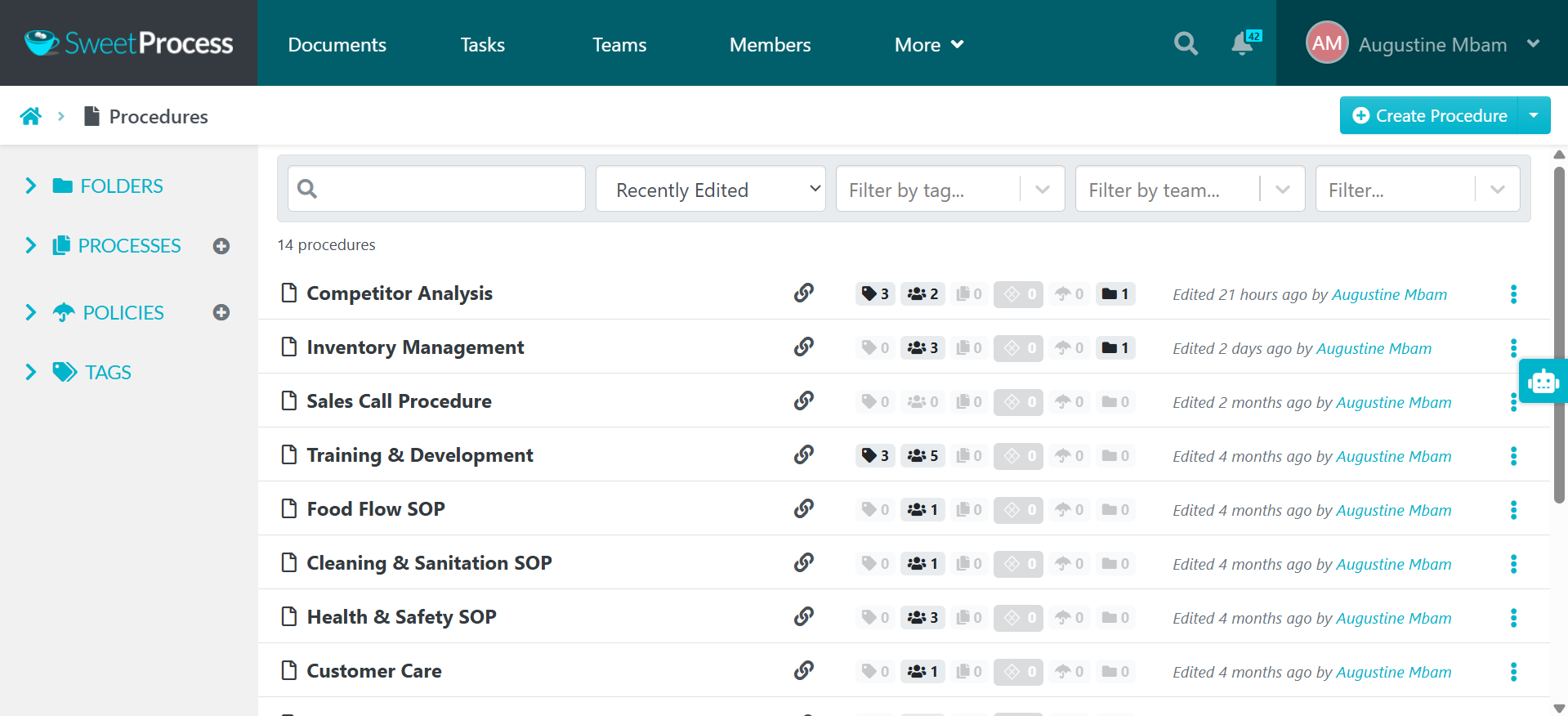
SweetProcess is another SOP documentation tool that competes directly with Trainual. It focuses on process documentation with a clean interface for building step-by-step procedures. SweetProcess is generally cheaper and has strong process mapping features. However, it lacks the onboarding automation and role-based training paths that make Trainual appealing for growing teams. If your primary need is documenting SOPs, SweetProcess is worth evaluating. If structured onboarding is your priority, Trainual has the edge.
Trainual vs Notion
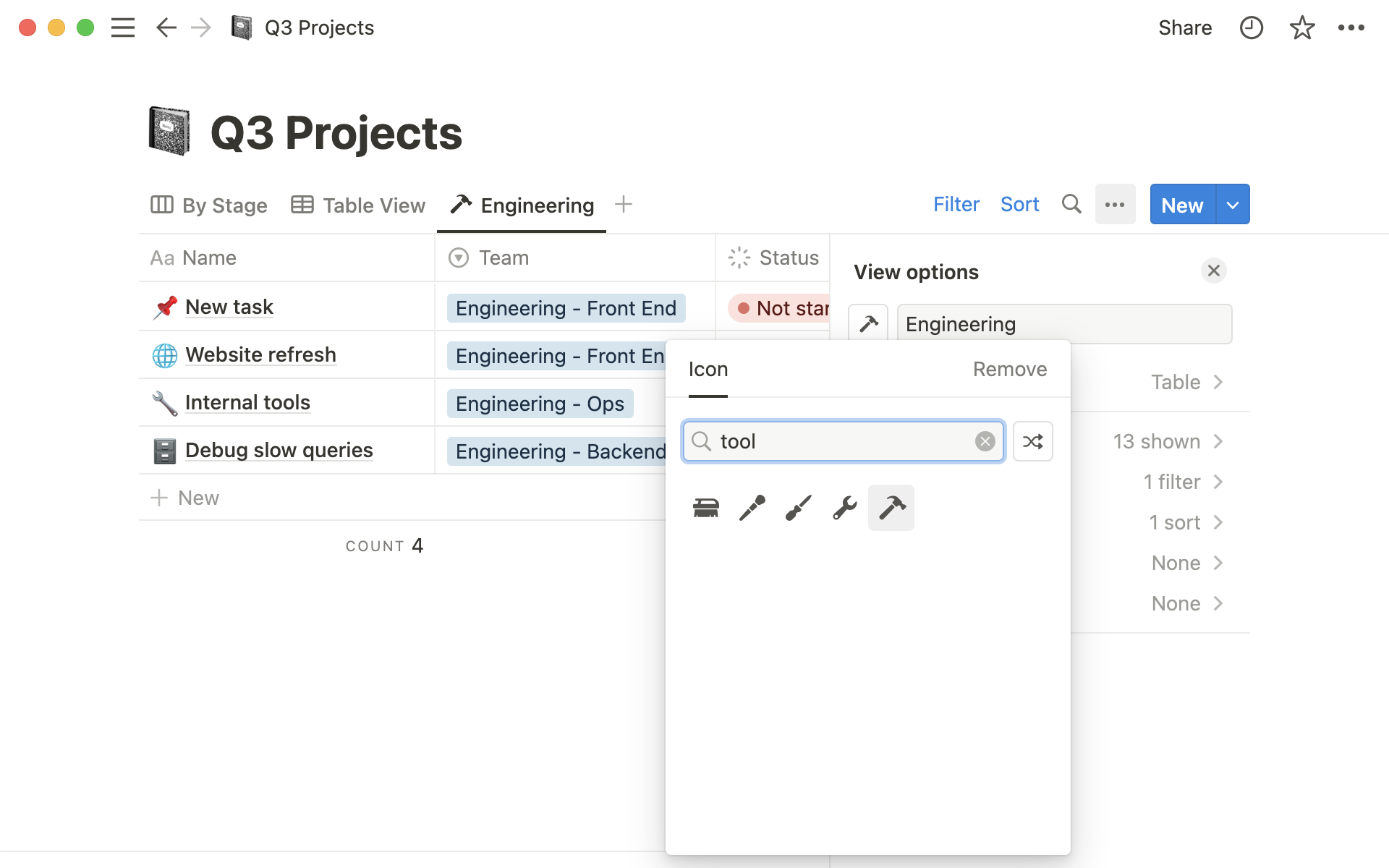
Notion is the popular workspace tool that many teams already use for project management and documentation. You can build a training wiki and SOP library in Notion. It is flexible, affordable (free for individuals, $10/user/mo for teams), and most people already know how to use it. The downside? Zero training-specific features. No completion tracking, no automated assignment by role, no quizzes, and no accountability. For bootstrapped teams that need a quick solution, Notion works. For brokerages that need to verify training completion and automate onboarding, it falls short.
Trainual vs Google Docs
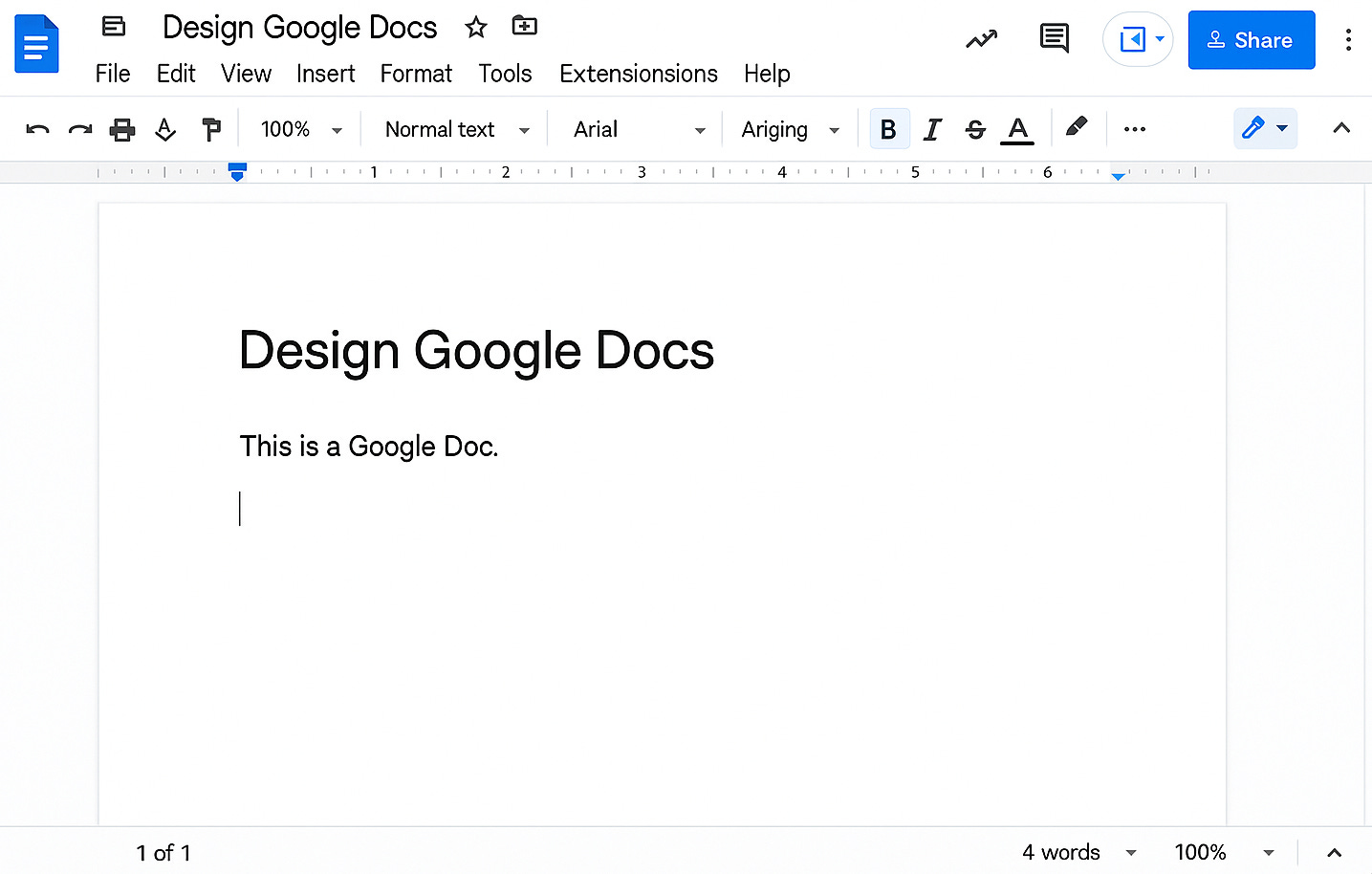
Many brokerages start here, and it works for a while. You create a shared Google Drive folder called "Training" and fill it with documents, checklists, and video links. The cost is zero. The problem emerges as your team grows: files get disorganized, nobody knows which version is current, and there is no way to track who read what. Google Docs is fine for a solo agent documenting their own processes. It breaks down for teams of five or more where consistency matters.
The bottom line: if your team is under five people, start with Notion or Google Docs. When you grow past five and are hiring regularly, the upgrade to Trainual pays for itself in time savings and retention.
How Trainual and ListingFlare Complement Each Other
Trainual and ListingFlare solve different problems, but they work together in a way that makes your entire team more effective.
Trainual trains your agents on processes. It is where they learn how to do things - how to launch a listing, how to follow up with leads, how to prepare for a closing. It is the knowledge layer of your brokerage.
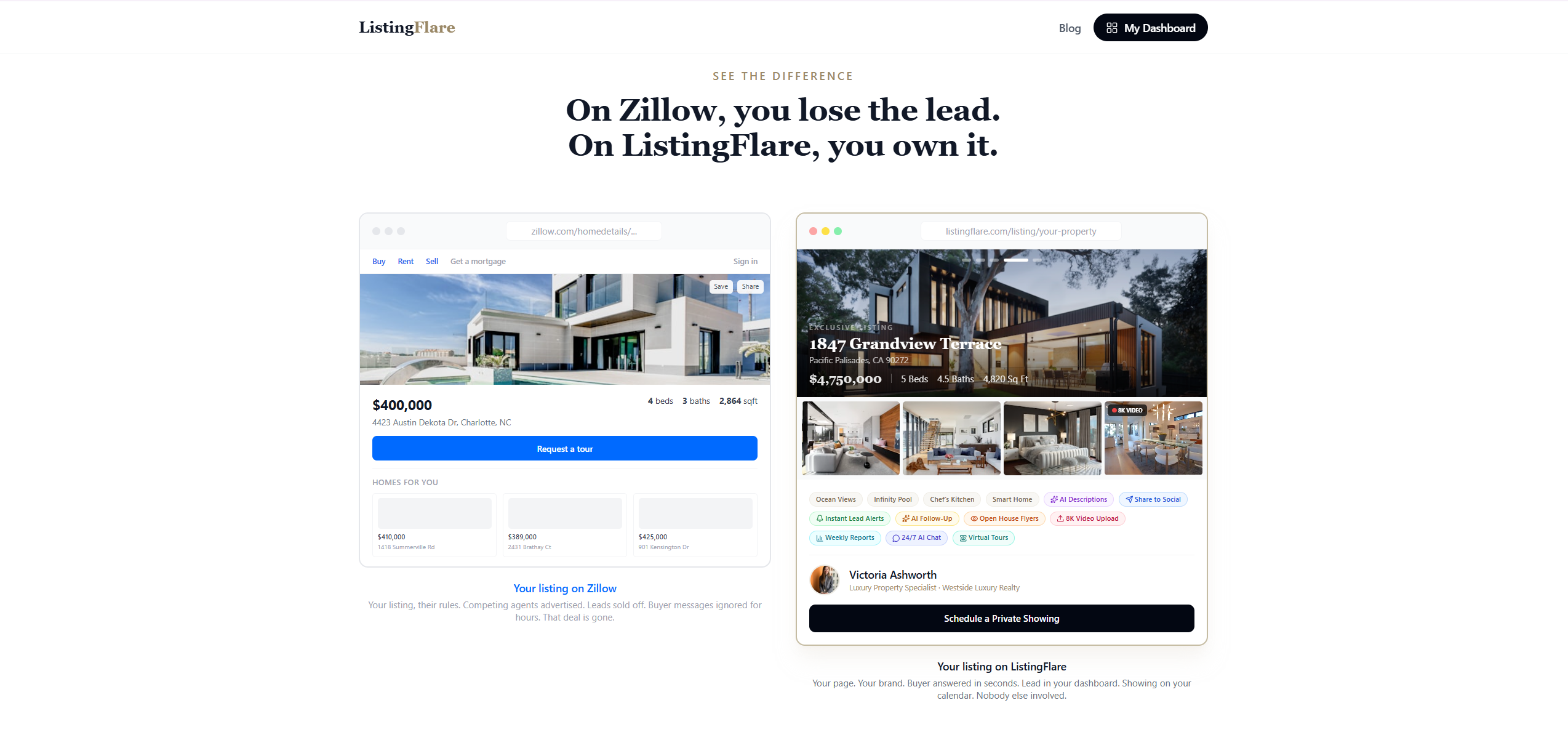
ListingFlare is the listing marketing tool they learn to use. It is where agents create professional single-property websites with AI-powered chatbots that capture and qualify buyer leads 24/7. It is one of the execution tools that your trained agents deploy in their daily work.
Here is how they fit together in practice:
- In your Trainual listing launch SOP, one of the steps is "Create a single-property website in ListingFlare." You embed a screen recording showing exactly how to do it - uploading photos, entering listing details, customizing the chatbot, and sharing the URL.
- In your Trainual lead response training, you cover how to handle leads that come in through ListingFlare's AI chatbot. The chatbot captures the buyer's contact info and their specific questions about the property. Your training teaches agents how to follow up on those warm leads within the expected timeframe.
- In your Trainual marketing training, you include ListingFlare as part of the brokerage's standard marketing toolkit. Every listing gets a property website. Every agent knows how to create one. The result is consistent, professional marketing across your entire team - not just from the tech-savvy agents.
The combination means your agents are trained on the specific tools and workflows your brokerage uses. When a new agent finishes onboarding and walks into their first listing appointment, they already know how to execute the marketing plan. That is the difference between a brokerage that trains and a brokerage that produces.
If you want to see what a ListingFlare property website looks like, check out a live demo.
Verdict - Is Trainual Worth It for Real Estate Teams?
Yes, with conditions.
Trainual is a solid platform for documenting processes, onboarding new team members, and building a searchable knowledge base. The interface is clean, the role-based training paths fit real estate team structures well, and the completion tracking gives brokers visibility into who is keeping up with their training.
However, it is not for everyone. Our recommendation broken down by team size:
- Solo agents or teams of 2-3: Skip Trainual. Use Notion or Google Docs to document your personal processes. The monthly cost is not justified at this scale.
- Teams of 4-10 agents: Trainual is a strong fit, especially if you are hiring at least 2-3 new agents per year. The Core plan is designed for small teams starting out, and the time savings on onboarding alone will cover the cost within a few months. Contact Trainual for current pricing.
- Brokerages with 10+ agents: This is where Trainual delivers the most value. At scale, the consistency of training, the compliance documentation, and the reduction in repetitive questions from new agents make a material difference in how efficiently your brokerage operates.
The biggest factor is not the software - it is whether someone on your team will commit to building and maintaining the content. The platform is just a container. If you invest the upfront time to build out your SOPs, onboarding plan, and compliance training, Trainual will serve your team well for years.
If you are not ready for that investment, start smaller. Document your most critical processes in Notion, test them with your next hire, and upgrade to Trainual when you have enough content to justify the platform.
Either way, stop winging it. The brokerages that win the next decade will be the ones that treat training as a competitive advantage - not a box to check. Your agents deserve a real system, and your retention numbers will thank you for building one.
Get a Trainual Demo →Frequently Asked Questions About Trainual for Real Estate
Is Trainual specifically designed for real estate?
No. Trainual is industry-agnostic and does not include pre-built real estate templates or MLS-specific content. You will need to create all of your training content from scratch. That said, the platform's structure - role-based assignments, completion tracking, searchable knowledge base - maps well to how real estate teams operate.
How long does it take to set up Trainual for a brokerage?
Plan for 20 to 40 hours of initial content creation. Start with onboarding and your three most important SOPs (listing launch, closing process, lead response), then add content over time. Most brokerages have a usable training system within 2 to 4 weeks.
Can I use Trainual for independent contractors?
Yes. You add each agent as a user with their assigned role, and they access the training content on their own schedule. The platform does not care about employment classification. Just make sure your training content focuses on recommended best practices rather than mandated schedules or methods to reinforce the independent contractor relationship.
Does Trainual integrate with real estate CRMs like Follow Up Boss or KVCore?
Not natively. Trainual integrates with general business tools like Slack, Gusto, BambooHR, and Zapier. Through Zapier you can create basic automations, but there are no direct integrations with real estate-specific platforms. You will need to manage your training platform and your real estate tools separately.
What is the difference between Trainual's Core and Pro plans?
The Core plan includes unlimited AI-assisted docs, flowcharts, AI-powered search, 500+ templates, screen recording, testing/tracking/reporting, and gamification. The Pro plan adds individual training paths, time estimates, content feedback, video transcriptions, e-signatures, org chart, delegation planner, and a dedicated customer success manager. Most small to mid-sized brokerages start with the Core plan and upgrade as needed. Contact Trainual for current pricing.
Is there a free version of Trainual?
No, but they offer a 7-day free trial with full platform access. If you need a free alternative, Notion or Google Docs work for documenting processes but lack training-specific features like completion tracking, automated assignments, and quizzes.
How does Trainual compare to just recording training videos and sharing them?
Recording training videos and sharing them in a folder is better than nothing, but you cannot track who watched what, verify comprehension, assign content by role, or update a single step without re-recording. Trainual wraps your content (including videos) in a structured, trackable, and searchable system. The videos are still valuable - but they are ingredients, not the whole recipe.