How Zillow Steals Leads from Listing Agents (And How to Fight Back)
Key Takeaways
Zillow's deceptive Contact Agent button sends your listing leads to competing agents. Learn how Zillow's billion-dollar lead business works against you and 7 strategies to take your leads back.
18 min read by ListingFlare Team
You spent $3,000 on professional photography, another $2,500 on staging, and hours writing the perfect listing description. Your sign goes up on Monday. By Wednesday, three buyers have inquired about the property. But not a single one of those buyers contacted you. They clicked "Contact Agent" on Zillow, assumed they were reaching the listing agent, and got routed to three competing agents who paid Zillow for that zip code. Your listing. Your money. Their leads.
This is not a worst-case scenario. This is the default outcome for every listing agent in America who does not have a strategy to fight back. And in 2026, the problem is worse than ever.
Zillow has built a massive revenue machine by taking the leads your listings generate and selling them to other agents. They were sued in 2025 for deceiving consumers with their "Contact Agent" button. A University of Pennsylvania study found that only 0.3% of users realize they are not contacting the listing agent. And their newest program, Zillow Flex, charges agents up to 40% of their commission for leads that your listings created in the first place.
If you are tired of funding Zillow's business model with your listings, this article is for you. We are going to break down exactly how Zillow steals your leads, what the lawsuits and research have revealed, why Premier Agent is a money pit, and - most importantly - seven strategies you can use right now to take your leads back.

The $2 Billion Lead Hijack - How Zillow's Business Model Works Against You
To understand why Zillow is such a problem for listing agents, you need to understand how they actually make money. Because it is not by helping you sell homes.
Zillow's core business model is straightforward: they aggregate listing data from the MLS (for free), display it on their platform, and then sell advertising space next to your listings to competing agents. When a buyer lands on your listing page on Zillow, they see a prominent "Contact Agent" button alongside headshots of two or three agents. Unless you are paying for that zip code, none of those agents are you.
The buyer fills out the form. They think they are contacting you. Zillow routes that lead to whichever agents bought that advertising space. Your listing generated the interest. Someone else gets the phone call.
And the numbers behind this system are staggering:
- Billions in annual revenue - Zillow generates billions in revenue, with the majority coming from agent advertising and lead generation programs. That revenue comes directly from selling leads that your listings create.
- Millions of leads per year - That is how many buyer inquiries Zillow routes to paying agents annually. The vast majority of those leads were generated by listings from agents who never see a dime of that traffic.
- 234 million monthly unique users - Zillow dominates real estate search. When buyers look for homes online, most of them start on Zillow. And every single one of those sessions is an opportunity for Zillow to redirect a lead away from you.
- $20 to $500 per lead - That is the range agents pay for Zillow leads depending on the market. In competitive metros like Los Angeles, Miami, or New York, a single lead can cost $500 or more. And the conversion rate? Often under 2%.
What makes this so frustrating: you are doing all the work. You invested in the listing. You hired the photographer. You staged the home. You wrote the description. You marketed it on social media. And then Zillow takes the demand your work created and sells it to someone who did nothing but swipe a credit card.
Think of it like opening a restaurant, paying for all the ingredients and staff, cooking a beautiful meal, and then having someone stand outside your door intercepting customers and sending them to the restaurant next door - for a fee. That is Zillow's business model. And it has been wildly profitable for them, at your expense.

The Deceptive "Contact Agent" Button - What the Penn Study Found
For years, agents have complained that Zillow's interface is designed to confuse buyers. But in 2025, that complaint got academic backing - and it was damning.
A study conducted by researchers at the University of Pennsylvania investigated how consumers interpret Zillow's "Contact Agent" button. The findings were striking:
- Only 0.3% of Zillow users correctly understood that clicking "Contact Agent" on a listing page would NOT connect them with the listing agent.
- Over 99% of consumers believed they were reaching out to the agent who actually listed the property.
- The study concluded that Zillow's interface design "systematically deceives consumers" about who they are contacting.
Let that sink in. 99.7% of buyers think they are contacting you. They are not. They are being routed to an agent who paid Zillow for that lead.
This is not an accidental design flaw. Zillow's entire revenue model depends on this confusion. If buyers understood that clicking "Contact Agent" would connect them to a random agent who paid for advertising instead of the listing agent, far fewer would click that button. The deception is the product.
The Penn study also highlighted how the visual design reinforces the deception. The "Contact Agent" button appears directly below the listing information, creating a visual association between the listing and the button. Agent headshots displayed alongside the button are often positioned in a way that suggests they are the listing agent's team. There is no clear disclosure stating "This agent is NOT the listing agent" - just fine print that most users never read.
If that does not make you angry as a listing agent, nothing will.
For listing agents, this means every single listing you put on the MLS - which then syndicates to Zillow - becomes a lead generation tool for your competition. And the vast majority of buyers have no idea it is happening.

Zillow Flex - Paying 40% of Your Commission for Your Own Leads
As if the standard Premier Agent model was not bad enough, Zillow introduced Zillow Flex - and it might be the most aggressive lead monetization program in real estate history.
The Zillow Flex model works like this:
- No upfront cost. Unlike Premier Agent where you pay monthly for leads, Flex is "free" to join. Sounds great, right?
- Zillow sends you leads. They route buyer inquiries from listings to you - leads that were generated by other agents' listings, of course.
- You pay when you close. If you close a deal from a Zillow Flex lead, you pay Zillow a referral fee of up to 40% of your commission.
The math on a $500,000 home sale with a 2.5% buyer agent commission:
- Your gross commission: $12,500
- Zillow Flex referral fee (35-40%): $4,375 to $5,000
- Your take-home before brokerage split: $7,500 to $8,125
- After a typical 70/30 brokerage split on the remainder: $5,250 to $5,688
So on a $500,000 sale, you could walk away with barely over $5,000 after Zillow and your brokerage take their cuts. For a lead that was generated by another agent's listing, marketing, and staging investment.
And the part that should really make your blood boil: if you are a listing agent, Zillow Flex agents are getting leads from YOUR listings and paying Zillow the referral fee we just discussed for the privilege. Your hard work is generating revenue for Zillow AND giving a discounted lead to a competing agent. You get nothing.
The Zillow Flex program essentially creates a system where:
- Listing agents do all the work to create demand (staging, photos, marketing)
- Zillow captures that demand through their deceptive interface
- Flex agents receive the leads but give up 40% of their commission
- Zillow profits from both the lead generation and the referral fee
Zillow is the only party that wins in this arrangement. Listing agents lose their leads. Flex agents lose nearly half their commission. And buyers get connected to an agent they never intended to contact in the first place.
Why Zillow Premier Agent Is Not the Answer
Your obvious reaction to this problem is probably: "Fine, I will just pay for Zillow Premier Agent and get my own leads back." It sounds logical. But the math tells a different story.
Zillow Premier Agent has earned poor ratings on agent review sites, and the complaints are consistent:
- Lead quality is low. Many Zillow leads are in the early browsing phase with no urgency to buy. Agents report that a significant percentage of leads have fake phone numbers or never respond to follow-up.
- Costs are sky-high in competitive markets. Leads in markets like San Francisco, Los Angeles, Miami, and New York cost $200 to $500 each. With conversion rates typically under 2%, you could spend $10,000 to $25,000 before closing a single deal.
- You are still sharing the lead. Even when you pay for Premier Agent, Zillow may display your headshot alongside one or two other paying agents. The buyer chooses who to contact, and you might still lose that lead to the other agent on the same page.
- Speed-to-lead pressure is intense. Zillow penalizes agents who do not respond to leads within minutes. Buyers overwhelmingly work with the first agent who responds, so every minute counts. If you are in a showing, at lunch, or asleep when a lead comes in, it may be reassigned to another agent.
A realistic cost analysis for a Premier Agent in a mid-tier market:
- Monthly spend: $1,500 (moderate market)
- Leads per month: 8-12 (at $125-$188 per lead)
- Conversion rate: 1.5-2%
- Leads needed to close one deal: 50-67
- Months to close one deal: 4-6 months at 10 leads/month
- Total cost to acquire one closing: $6,000 to $9,000
- Average commission on a $400,000 sale (2.5%): $10,000
- After Zillow cost and brokerage split: $700 to $2,800
You could spend $6,000 to $9,000 on Zillow Premier Agent to close one deal and walk away with less than $3,000 in profit. And that does not account for the time you spent nurturing 50+ leads to get that one closing.
Compare that to generating your own leads through direct channels where your cost per lead is near zero and you keep 100% of the commission. The choice should be obvious.
Bottom line: paying Zillow to solve a problem that Zillow created is not a strategy. It is a subscription to your own exploitation.

The Lawsuits - Agents Fighting Back in 2025-2026
Agents are not taking this lying down. In 2025, Zillow faced significant legal action over its lead routing practices, and the ramifications are still unfolding in 2026.
Zillow was sued in 2025 over its deceptive "Contact Agent" button practices. The lawsuit alleged that Zillow's interface was intentionally designed to mislead consumers into believing they were contacting the listing agent when they were actually being connected to a paying advertiser. The suit cited the University of Pennsylvania study as evidence that 99.7% of consumers were deceived by the design.
Key allegations in the lawsuit included:
- Consumer deception: The "Contact Agent" button was positioned and designed to imply a connection to the listing agent, violating consumer protection standards.
- Unfair business practices: Zillow profited from the confusion by charging agents for leads that consumers intended to send to someone else.
- Listing agent harm: The practice systematically diverted business from listing agents who created the content that attracted buyers in the first place.
- Lack of disclosure: Zillow failed to clearly communicate that the agents displayed were paid advertisers, not the listing agent or their team.
The lawsuit sent shockwaves through the industry. For years, agents grumbled about Zillow's practices privately. Now it was being litigated publicly. And the Penn study's 0.3% figure became the most-cited statistic in real estate circles.
Beyond the consumer deception case, Zillow has faced growing regulatory scrutiny. The National Association of Realtors and various state real estate commissions have examined whether Zillow's practices violate existing advertising disclosure rules. Some states have begun exploring legislation that would require clearer labeling of paid agent placements on listing portals.
In 2026, the legal landscape continues to evolve. Additional class-action filings from listing agents are being prepared, arguing that Zillow's business model constitutes a form of tortious interference - intentionally disrupting the business relationship between a listing agent and potential buyers.
While these lawsuits work their way through the courts, you cannot afford to wait for a legal resolution. The leads you are losing today are gone forever. You need a proactive strategy to capture those leads yourself, regardless of what happens in the courtroom.
How to Take Your Leads Back - 7 Strategies That Work
Enough about the problem. Here are seven proven strategies to stop Zillow from stealing your listing leads - strategies you can start implementing today.
1. Create Single-Property Websites for Every Listing
This is the single most effective weapon against Zillow's lead theft. A single-property website is a dedicated webpage for one listing - your branding, your photos, your contact form, zero competing agents.
Why does this change everything? When you put a unique URL on your yard sign, your social media posts, your print materials, and your email campaigns, every buyer who visits that page interacts with you and only you. There is no sidebar showing "Other agents in your area." There is no algorithm redirecting them to a different property. Every lead that comes through that page is 100% yours.
I have seen agents implement this single change and double their lead capture within a month.
Think about the buyer journey. They drive by your listing and see the sign. They pull out their phone. Right now, most of them Google the address and end up on Zillow. But if your yard sign has a clean, memorable URL - something like 123MainSt.listingflare.com - they go directly to your single-property website instead. That one change in behavior is worth thousands of dollars per listing.
ListingFlare lets you create a professional single-property website in under five minutes. Each page includes a full-screen photo gallery, property details, neighborhood data, and an AI-powered chatbot that answers buyer questions and captures contact information 24/7. When a buyer visits your listing page at 11 PM and asks "Does this home have a finished basement?" or "What school district is this in?", the chatbot answers instantly and collects their name, email, and phone number. You wake up with a warm lead in your inbox.
The math is compelling. If a single-property website captures just one additional lead per listing that would have otherwise gone to Zillow, and that lead converts to a $400,000 sale with a 3% commission, that is $12,000 in commission you would have lost. The cost of creating the single-property website? A fraction of that. Compare the best single-property website builders here.
2. Deploy an AI Chatbot for 24/7 Lead Capture
A stat that should keep you up at night: leads contacted within 5 minutes are 21 times more likely to convert than leads contacted after 30 minutes. Twenty-one times.
Now think about when buyers are browsing listings. It is not 9 AM on a Tuesday. It is 10 PM on a Sunday night. It is during their lunch break at work. It is at 6 AM before the kids wake up. If you are relying on manually responding to every inquiry, you are losing leads during every hour you are not glued to your phone.
An AI chatbot solves this problem completely. It responds to every inquiry instantly, 24 hours a day, 7 days a week. It can answer property-specific questions, provide neighborhood information, schedule showings, and - most importantly - capture the buyer's contact information before they move on to the next listing.
The key is deploying a chatbot that is trained on your specific listing data. A generic "How can I help you?" chatbot is not enough. You need one that knows the property's square footage, lot size, HOA fees, school district, and recent renovations. When a buyer asks "Does this home have a two-car garage?", the chatbot should answer accurately and immediately, then follow up with "Would you like to schedule a showing? I just need your name and phone number to set that up."
ListingFlare's AI chatbot is trained on each individual listing's data, so it provides accurate, property-specific responses that build buyer confidence and capture leads around the clock. See a live demo to watch it in action.
3. Use Direct Marketing with QR Codes
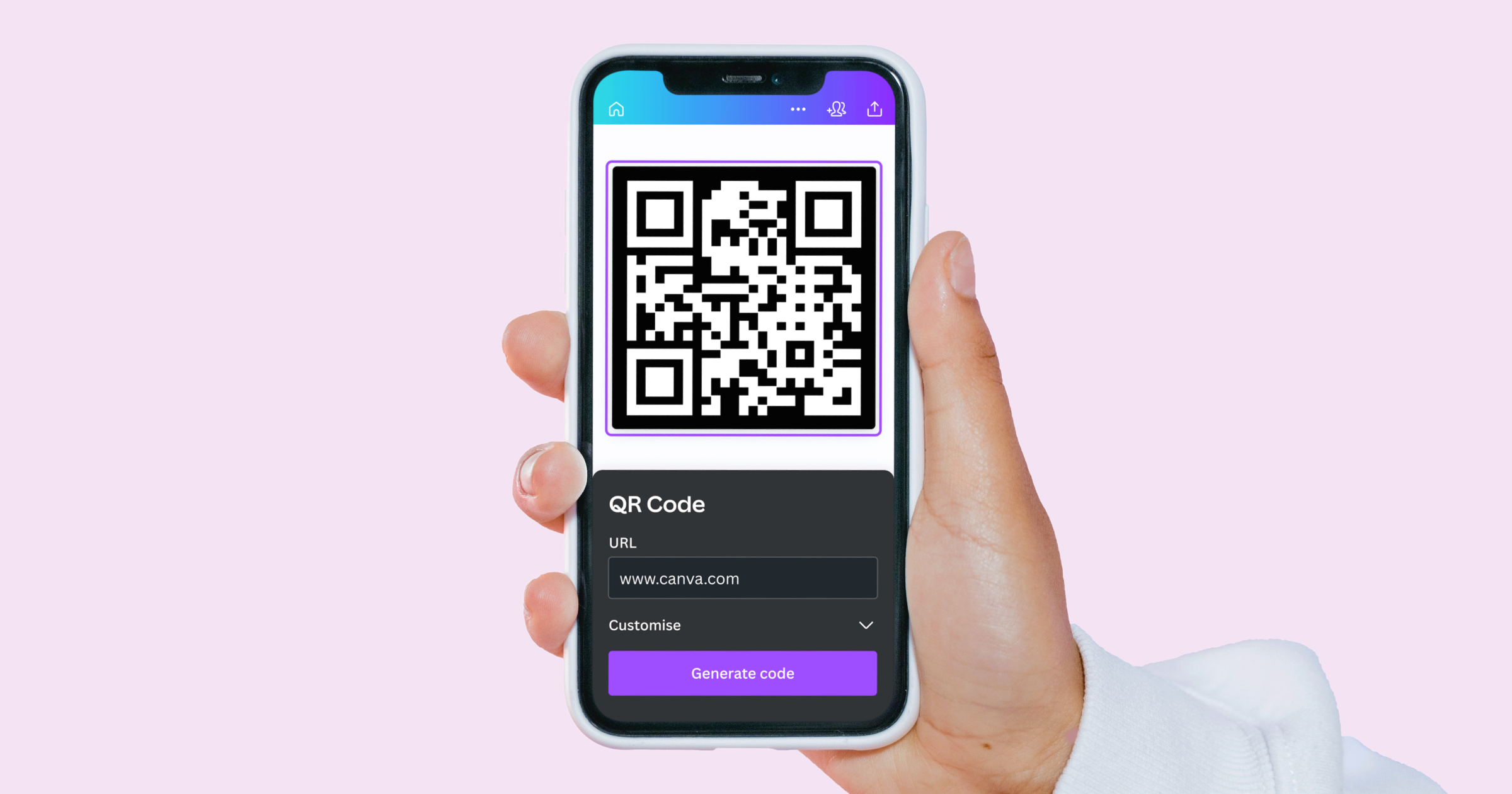
QR codes are the bridge between your physical marketing and your digital lead capture system. And they are free to create.
The strategy is simple: every piece of physical marketing you produce should include a QR code that sends buyers to your single-property website - NOT to Zillow, NOT to your brokerage's website, and NOT to a generic landing page.
Place QR codes on:
- Yard signs: This is the most important placement. A buyer driving by scans the code and lands on your page instead of Googling the address and ending up on Zillow.
- Open house flyers and brochures: Visitors take them home, scan later, and land on your site. Their info gets captured by your chatbot.
- Just-Listed postcards: Mail them to the surrounding neighborhood with a QR code. Neighbors are often your best source of buyer referrals.
- Door hangers: In the surrounding area, door hangers with a QR code can drive curious neighbors to your listing page.
- Business cards: Include a QR code to your current featured listing or your agent website.
The goal is to create as many direct pathways to your own content as possible. Every buyer who scans your QR code instead of searching on Zillow is a lead you have saved from being stolen.
Pro tip: use trackable QR codes so you can see which marketing channels are driving the most traffic. If yard signs are generating 60% of your scans but postcards are only generating 5%, you know where to focus your budget.

4. Build Social Media Direct Funnels
Social media is one of the most powerful - and most underutilized - lead generation tools for listing agents. The key is using it to drive traffic directly to your own lead capture pages, not to your Zillow listing.
The biggest mistake agents make: they post a photo of their new listing on Instagram or Facebook with the caption "Just listed! Check it out on Zillow" and include a Zillow link. They just sent their social media followers directly to a platform that will steal those leads. Do not do this.
Instead, build direct funnels:
- Instagram/Facebook posts: Share stunning listing photos with a link to your single-property website in your bio or story. Use a call to action like "Link in bio for full gallery and virtual tour."
- Instagram Reels and TikTok: Create short video walkthroughs of your listing. End with "Visit [your URL] for more photos and to schedule a private showing."
- Facebook Lead Ads: Run targeted ads to buyers in your area with a lead form that captures their info directly. You own that lead data. Cost per lead from Facebook ads typically runs $5 to $30 - a fraction of Zillow's $200 to $500.
- YouTube listing tours: Film a detailed walkthrough and include your single-property website URL in the description and as a pinned comment. YouTube videos also rank in Google search, giving you another direct pathway for buyers.
- Pinterest: Pin your listing photos with links back to your property website. Real estate content performs extremely well on Pinterest, especially luxury and design-forward homes.
The common thread: every social media interaction should funnel the buyer to a platform you control, not a platform that will sell them to your competition.

5. Email Marketing to Your Sphere
Your sphere of influence - past clients, friends, family, professional contacts - is one of your most valuable lead sources. And it is one that Zillow cannot touch.
When you get a new listing, your email list should be the first to know. Send a dedicated email with:
- Professional photos of the property
- Key highlights and features
- A clear call to action: "Know someone looking for a home in [neighborhood]? Share this listing with them."
- A link to your single-property website (never a Zillow link)
The power of sphere marketing is the referral effect. Your past client might not be in the market, but they might have a coworker, neighbor, or family member who is. When they forward your email, that buyer lands on your page and becomes your lead. If they had found the property on Zillow instead, that same buyer would have been routed to a stranger.
Build and maintain your email list religiously. Every open house sign-in sheet, every closing gift follow-up, every networking event contact should go into your CRM. A well-maintained email list of 500 to 1,000 contacts can generate consistent referral leads that cost you nothing per acquisition.
Consistency matters. Send a monthly market update, a weekly new listing roundup, or a quarterly newsletter. Stay top of mind so that when someone in your sphere hears "We're thinking about buying a house," your name is the first one that comes up - not Zillow's algorithm.
6. Optimize Your Google Business Profile
When buyers search for an agent in your area, Google Business Profile (GBP) results often appear before Zillow in the search results. This is a massive opportunity that most agents overlook.
A fully optimized Google Business Profile can:
- Appear in the local 3-pack when someone searches "real estate agent near me" or "listing agent [your city]"
- Display your reviews - social proof that Zillow cannot replicate for listing agents
- Link directly to your website - bypassing Zillow entirely
- Show your listings through Google posts and photos
To optimize your GBP:
- Complete every field: Business name, address, phone, hours, website, service areas, and categories.
- Post weekly: Share new listings, market updates, and client success stories as Google Posts.
- Get reviews: After every closing, ask your client for a Google review. Agents with 50+ five-star reviews dominate local search results.
- Add photos regularly: Upload listing photos, headshots, and team photos. Profiles with 100+ photos get significantly more engagement.
- Use keywords naturally: Include your city, neighborhoods, and service types in your business description.
A strong GBP means buyers find you directly through Google instead of finding your listing on Zillow and getting routed to someone else. It is free to set up and maintain, and the long-term lead generation value is enormous.
7. Build Your Own Brand Instead of Renting Zillow's
This is the strategic shift that separates agents who thrive from agents who are stuck on the Zillow treadmill. When you invest in Zillow, you are renting their platform. When you invest in your own brand, you are building an asset that pays dividends forever.
Building your own brand means:
- Your own website with IDX search and lead capture. Buyers who find your website return to it directly - no Zillow middleman.
- Content marketing that positions you as the local expert. Blog posts about your market, neighborhood guides, and buyer/seller tips attract organic search traffic that goes directly to you.
- Video content that builds trust before the first conversation. A buyer who has watched five of your YouTube videos feels like they already know you. They are not going to click "Contact Agent" on Zillow when they already have your number.
- Local partnerships with lenders, inspectors, title companies, and contractors who refer clients to you.
- Community involvement that makes you the recognizable real estate expert in your area. Sponsor a little league team. Host a neighborhood block party. Speak at local events.
Every dollar you invest in your own brand is a dollar that keeps working for you year after year. Every dollar you spend on Zillow disappears the moment you stop paying. One is an asset. The other is an expense. Choose wisely.

The Math - What Happens When You Capture Just 1 Extra Lead Per Listing
Consider the financial impact of implementing these strategies. We will use conservative numbers to show what happens when you capture just one additional lead per listing that would have otherwise gone to Zillow.
Assumptions:
- You close 15 listings per year
- Average sale price: $450,000
- Your commission rate: 2.5% on the buy side (for leads you capture as buyer leads from your own listing) or 3% on the list side
- You capture 1 extra buyer lead per listing using the strategies above
- Lead-to-close conversion rate: 10% (you are getting warm, high-intent leads from your own marketing)
The calculation:
- Extra leads captured per year: 15 (1 per listing)
- Extra closings per year at 10% conversion: 1.5 (let us round down to 1)
- Additional commission per closing: $11,250 (2.5% of $450,000)
- Additional annual income: $11,250+
That is over $11,000 in additional annual income from capturing just ONE extra lead per listing. And that is with conservative assumptions.
Now let us look at it from the other side - what you are currently LOSING to Zillow:
- If each of your 15 listings generates an average of 3 buyer inquiries on Zillow that go to other agents, that is 45 leads per year you are giving away.
- At a 2% conversion rate (cold Zillow leads), that is roughly 1 closing per year that a competing agent is getting from YOUR listings.
- Commission lost: $11,250 per year - going to an agent who did nothing but pay Zillow.
Now compound this over a career. Over 10 years, you could lose over $100,000 in commissions to agents who bought leads generated by your listings. That is not a rounding error. That is a down payment on a house. That is a year of your kid's college tuition. That is your retirement fund taking a hit every single year.
And what does it cost to prevent this? A single-property website costs a few dollars per listing. A QR code is free. Posting on social media is free. Emailing your sphere is free. Optimizing your Google Business Profile is free. The ROI on these strategies is not 2x or 5x. It is functionally infinite because the cost is so low compared to the leads you save.
Start your free trial with ListingFlare and see how many leads your next listing captures when you control the buyer experience instead of handing it to Zillow.
Stop Funding Zillow's Business Model With Your Listings
A quick recap of what we have covered:
- Zillow generates billions per year by selling leads that your listings create.
- 99.7% of buyers do not realize they are not contacting the listing agent when they click "Contact Agent."
- Zillow Flex takes a massive cut of an agent's commission on closed deals - for leads that were never theirs to sell.
- Premier Agent costs $200-$500 per lead in competitive markets with conversion rates under 2%.
- Zillow was sued in 2025 for deceptive practices, and more legal action is coming.
The agents who figure this out first are the ones who will dominate their markets.
You cannot control what Zillow does. But you can control where your leads go. Every listing you take is an opportunity to either feed Zillow's machine or build your own lead generation system. The agents who are thriving in 2026 are the ones who chose to build.
Single-property websites. AI chatbots. QR codes. Social media funnels. Email marketing. Google Business Profile. Your own brand. These are not optional extras anymore. They are the essential tools of a listing agent who refuses to give away their leads for free.
Your listings are YOUR assets. Your leads are YOUR business. It is time to take them back.
Start your free trial with ListingFlare and create your first single-property website in under 5 minutes. Or see a live demo to see exactly how it works. Your leads are waiting.
Frequently Asked Questions
Does Zillow actually steal leads from listing agents?
Yes, in practical terms. When a buyer clicks "Contact Agent" on your Zillow listing, the inquiry goes to agents who pay for that zip code - not to you. A University of Pennsylvania study found only 0.3% of users realize they are not contacting the listing agent. Your listings generate leads for competing agents who paid Zillow for access.
How much does Zillow Flex charge agents?
Zillow Flex charges a referral fee of up to 40% of the agent's commission on closed transactions that originate from Zillow leads. There is no upfront cost - you only pay when you close a deal. But on a $500,000 sale with a 2.5% commission ($12,500), you could owe Zillow $4,375 to $5,000. After your brokerage split, the take-home can be shockingly low.
Was Zillow really sued for its Contact Agent button?
Yes. In 2025, Zillow faced legal action alleging that its "Contact Agent" button was deceptively designed to mislead consumers into believing they were contacting the listing agent. The lawsuit cited the University of Pennsylvania study showing 99.7% of users were confused by the interface. The legal proceedings are ongoing and additional actions are being prepared in 2026.
How much does Zillow Premier Agent cost?
Zillow Premier Agent costs vary significantly by market. In smaller markets, you might spend $300 to $500 per month. In competitive metros, agents report spending $1,500 to $4,000+ per month. Individual leads cost $200 to $500 in competitive markets. With conversion rates typically under 2%, the cost per actual closing can range from $6,000 to $25,000 or more.
What is a single-property website and how does it help?
A dedicated webpage for a single listing featuring your branding, photos, property details, and contact information - with no competing agents or sidebar ads. Put the URL on your yard sign, flyers, and social media to direct buyers to a page you control instead of Zillow. Learn more about single-property website builders here.
How fast do I need to respond to leads to convert them?
Research shows that leads contacted within 5 minutes are 21 times more likely to convert than leads contacted after 30 minutes. This is why AI chatbots are so valuable - they respond instantly to every inquiry, 24/7, capturing the buyer's information during the critical window of interest. If you are relying on manual responses, you are almost certainly losing leads during evenings, weekends, and busy showing days.
Can I remove my listings from Zillow?
This depends on your MLS and brokerage. Some MLSs allow agents to opt out of syndication to specific portals, while others require syndication as part of their terms. Even if you cannot remove your listings from Zillow, you can reduce Zillow's impact by driving buyer traffic to your own platforms through the strategies outlined in this article - single-property websites, QR codes, social media, and direct marketing.
Is it worth paying for Zillow leads at all?
For most agents, no. With leads costing $200-$500 each, conversion rates under 2%, and Premier Agent earning poor ratings among agents, the math rarely works. Facebook ads, Google ads, and direct lead capture through single-property websites typically deliver better ROI. The exception may be new agents in non-competitive markets.
How does ListingFlare help agents stop losing leads to Zillow?
ListingFlare creates professional single-property websites in under five minutes. Each page includes an AI chatbot that captures buyer leads 24/7, a photo gallery, property details, and your branding - with zero competing agents. Put your ListingFlare URL on yard signs and marketing materials so buyers come to your page instead of Zillow. Start your free trial here.